
Best non-mainstream places to visit on Fuerteventura?
Best non-mainstream places to visit on Fuerteventura: explore the Dunas de Corralejo, the Sicasumbre viewpoint, and El Cotillo beyond the resort strips.
The best non-mainstream places to visit on Fuerteventura are the wild dunes at Corralejo, the dark-sky viewpoint at Sicasumbre, the lighthouse and quiet edges of Morro Jable, and the low-key fishing village of El Cotillo. These spots sit away from the busiest resort strips and reward travellers who rent a car and set their own pace.
Fuerteventura is the second-largest of the Canary Islands, and most visitors see only a small slice of it. The island's interior is sparse and volcanic, its coasts alternate between pale sand and black rock, and the best days often come from stringing together a few lesser-known stops rather than booking another organised excursion.
This guide sticks to places we can vouch for from the facts, with practical notes on how to reach them and what to expect. We took the early boat from Corralejo on our last trip and spent a full day exploring the north and centre; the contrast with the resort beaches was immediate.
Where are the quietest corners of Fuerteventura?
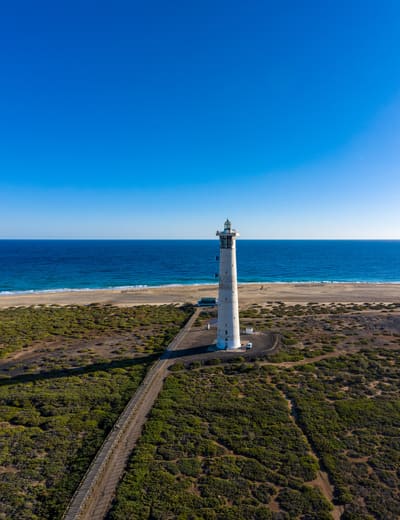
The quietest corners cluster in the north and the far south. The Dunas de Corralejo, a protected dune field near Corralejo, is vast enough to absorb crowds; walk ten minutes from the main access and you will hear only wind and sand. In the south, the area around the Faro de Morro Jable feels calmer than the resort beaches, especially outside midday.
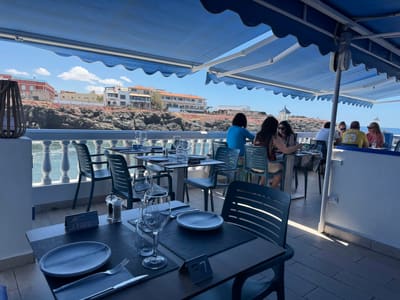
The west coast village of El Cotillo is another low-key base. It has a working harbour feel and a handful of restaurants, including Restaurante La Vaca Azul at Calle Requena, 9. The village is not a resort in the usual sense, and evenings there are mostly about seafood and sunsets.
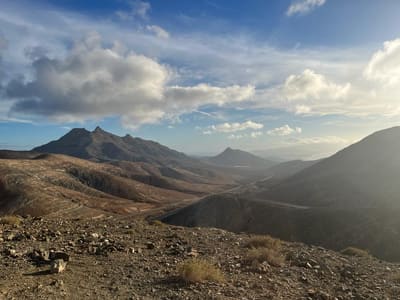
The interior is quieter still. The Mirador Astronómico de Sicasumbre sits on the FV-605 near Pájara and is a viewpoint built for stargazing. On a clear night, the lack of light pollution makes it one of the island's most memorable non-mainstream stops.
Quiet spots to start with

How do I visit the Dunas de Corralejo without the crowds?
Go early or late. The Dunas de Corralejo is a large protected area at 35660 La Oliva, and the main car park fills by mid-morning in high season. Arrive before 09:30 or after 17:00 and you will share the sand with far fewer people. The dunes hold a 4.8 out of 5 rating from over 6,500 reviews, which tells you how popular they are, but scale works in your favour.
Bring water, a hat and shoes you can walk in. The sand gets hot by midday, and there is little shade. The walk from the car park to the quieter western edge takes about twenty minutes at an easy pace. We found the best light for photos in the hour before sunset, when the dunes turn pale gold.
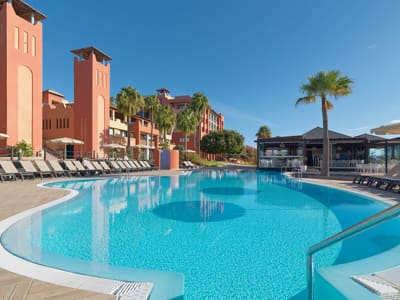
The dunes sit within easy reach of Corralejo town, so you can combine a morning there with a late lunch back in the resort. If you prefer a base nearby, Hotel Riu Oliva Beach Resort is on Av. Corralejo Grandes Playas, and El Campanario shopping centre in Corralejo opens daily from 09:30 to 21:30 for supplies.
What is there to see around Morro Jable and the far south?
The Faro de Morro Jable is a lighthouse on the southern side of the island, at 35625 Jandia. It holds a 4.6 out of 5 rating from over 6,300 reviews, and the surrounding area feels less developed than the main resort strips. The lighthouse itself is a landmark rather than an attraction with a queue, so it suits a slow walk and a look at the sea.
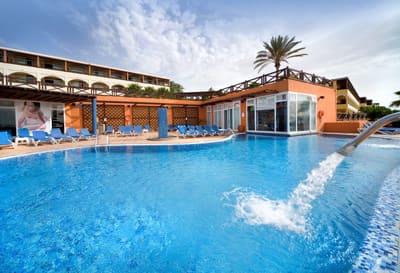
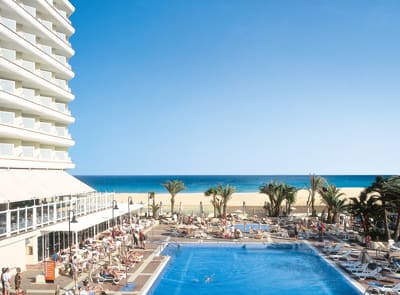
Morro Jable is within easy reach, and the town has a working harbour and a long beach. The resort area of Jandía Playa is nearby, with Occidental Jandía Playa at Urbanización Playa del Jable, C. Sancho Panza. That end of the island is windier and more open, and the light in the late afternoon is excellent.
If you are driving from the north, plan for a long day. The island is roughly 100 km from Corralejo to Morro Jable, and the roads are good but the landscape is empty. We stopped at Sicasumbre on the way back, which broke up the drive and turned a transfer into a highlight.
Southern stops worth the drive
Is the Mirador Astronómico de Sicasumbre worth a detour?
Yes, especially if you have any interest in the night sky. The Mirador Astronómico de Sicasumbre is on the FV-605 near Pájara, and it is designed as a stargazing viewpoint. It scores 4.7 out of 5 from nearly 5,800 reviews, which is high for a roadside stop. The drive there is part of the appeal: the road climbs through bare hills with wide views.
Go at sunset or after dark. The viewpoint faces open country, and on a clear night the Milky Way is visible to the naked eye. Bring a jacket, because the temperature drops once the sun is down, and a torch for the short walk from the car. There are no facilities, so treat it as a short stop rather than a full evening out.
We visited on a moonless night in spring and stayed about forty minutes. The silence was the thing we remembered most. If you are based in the south, it is a straightforward drive from Costa Calma or Morro Jable; from the north, combine it with a day in the interior.
What should I do in El Cotillo beyond the beach?
Eat seafood and watch the sunset. El Cotillo is a fishing village on the west coast, and Restaurante La Vaca Azul at Calle Requena, 9 is a solid choice with a 4.4 out of 5 rating from over 7,000 reviews. The village is small enough to walk in an hour, and the harbour side is where the character is.
The beaches north and south of the village are popular with surfers and families, but the village itself stays low-key. We spent a lazy afternoon at a café near the harbour and then drove to the lighthouse at Punta Pechiguera for the view back along the coast. There is no need to book anything; just park and walk.
El Cotillo is about a 40-minute drive from Corralejo, and the road passes through open country with few services. Fill up with fuel before you leave, and carry cash for smaller places. The village makes a good base if you want to avoid the resort strips entirely.
El Cotillo and the west coast
Where can I eat away from the main resorts?
Two reliable options stand out. Restaurante La Vaca Azul in El Cotillo serves Canarian seafood in a village setting, and Fado Rock Steakhouse in Caleta de Fuste is a steakhouse with a 4.5 out of 5 rating from nearly 6,000 reviews. Both are popular, so book ahead or arrive early.
For a drink with a local feel, atlántico on Av. de las Marismas, Km 11 in Antigua opens daily from 13:00 to 21:00. It sits away from the busiest resort strips, and the afternoon-to-evening hours suit a late lunch or an early dinner. We stopped there after a day in the interior and found it relaxed and unhurried.
If you are self-catering, El Campanario in Corralejo has a supermarket and opens every day, including public holidays, from 09:30 to 21:30. Stock up there before heading to a quieter part of the coast, because smaller villages have limited opening hours.
Non-mainstream places to eat and drink


How do I plan a day that avoids the crowds?
Start early and drive west or south. A good loop from Corralejo is: Dunas de Corralejo at 08:30, then the road to El Cotillo for lunch, then back via the interior and Sicasumbre for sunset. That covers three of the island's best non-mainstream stops in one day, with time to spare.
Rent a car. Buses exist but are infrequent on the quieter routes, and the interior viewpoints are not well served. Book through your hotel or a local agency, and check that your insurance covers the unpaved access roads to some beaches. We paid extra for full cover and were glad of it on the track to a west-coast cove.
Carry water, sun cream and a paper map or offline maps. Mobile signal is patchy in the interior, and some roads are signposted only at junctions. Fuel stations are sparse outside the main towns, so fill up whenever you pass one.
When is the best time to visit the quiet spots?
Spring and autumn offer the best balance of weather and space. The island is popular in winter, and the main resorts fill up, but the dunes, the interior and the southern lighthouse stay manageable. Summer brings wind, which is welcome on the coast but can make the viewpoints uncomfortable.
Whatever the season, avoid midday at the headline sights. The Dunas de Corralejo and the Faro de Morro Jable are busiest between 11:00 and 15:00, when tour groups move through. Early morning and late afternoon are calmer and cooler, and the light is better for photos.
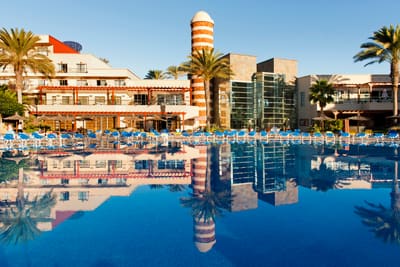
If you are staying in a resort, use it as a base rather than a destination. Elba Carlota Beach & Convention Resort in Antigua and Morasol Atlantico near Costa Calma both put you within driving distance of the quieter spots. We used a resort base and spent most days out, returning for dinner.
Bases for exploring the quiet side
What should I know before I go?
Respect the environment. The dunes and the interior are protected, and driving off marked tracks damages the landscape. Stick to paths, take your rubbish with you, and do not remove sand or rocks. The island's appeal depends on these places staying wild.
Check opening hours before you set out. Many smaller restaurants and shops close in the afternoon, and some open only for dinner. atlántico, for example, opens at 13:00, so a morning coffee there is not an option. A quick call or a look at the website saves a wasted trip.
Learn a few Spanish phrases. Outside the resorts, English is less common, and a friendly hola and gracias go a long way. We found shopkeepers and waiters patient and helpful, especially in El Cotillo.
How do I get around Fuerteventura without a car?
It is possible but requires more planning. The island has a bus network, but services to the quieter spots are infrequent. For the Dunas de Corralejo, local buses run from Corralejo town, but they are geared towards beachgoers and can be crowded. For Sicasumbre and the southern lighthouse, buses are impractical; you would need a taxi or a tour. Taxis are available in main towns but can be expensive for long distances. If you rely on public transport, base yourself in Corralejo or Morro Jable and use buses for short hops, but accept that some places will be out of reach.
Alternatively, consider a guided small-group tour for the interior and stargazing, which can include transport. However, these often run in the evening and may not suit everyone. We found that renting a car for even a couple of days opened up the island in a way that buses could not, and it was worth the expense for the flexibility.
What should I pack for a day exploring the quiet spots?
Pack for sun, wind and temperature drops. A hat, sunglasses and high-factor sun cream are essential year-round. Even in winter, the sun is strong. Bring a light jacket or fleece for the evening, especially if you plan to stargaze at Sicasumbre, where it can be chilly after sunset. Comfortable walking shoes are a must for the dunes and uneven paths. A reusable water bottle is handy; tap water in Fuerteventura is generally safe to drink, but many prefer bottled. Carry snacks, as options are limited outside towns. For the beach, a towel and swimwear are obvious, but also consider a windbreak if you plan to stay on windy beaches. A small first-aid kit and any personal medications are wise, as pharmacies are scarce in remote areas. Finally, a torch or headlamp for night-time viewpoint visits, and a power bank for your phone.
Frequently Asked Questions
Do I need to book restaurants in advance?
For popular places like Restaurante La Vaca Azul and Fado Rock Steakhouse, booking ahead is recommended, especially in high season. Smaller village restaurants may not take reservations, so arriving early or being flexible with timing helps.
Is wild camping allowed near the dunes or viewpoints?
No, wild camping is not permitted in protected areas such as the dunes. There are designated campsites and hotels; always check local regulations and use official accommodation.
Ready to explore?
Browse activities, events, and things to do on your island.
More Guides
How many nights is it worth spending in Nusa Penida?
How many nights in Nusa Penida? For most travellers, 2-3 nights hits the sweet spot, with day trips to Kelingking and Lido Beach Bar & Lounge.
Ibiza dinner recommendations for a bachelorette party!
Ibiza dinner recommendations for a bachelorette party: sunset drinks at Café del Mar, a beach club feast at The Beach Club, and a stylish base at vibra mare nostrum.
Is it still worth it to go to Bali with rain?
Yes, Bali with rain is still worth it: shorter showers, quieter beaches, and indoor spots like The Goat Seminyak make wet-season days easy.