
Is it still worth it to go to Bali with rain?
Yes, Bali with rain is still worth it: shorter showers, quieter beaches, and indoor spots like The Goat Seminyak make wet-season days easy.
Yes, going to Bali with rain is still worth it. Rain in Bali usually comes as short, heavy bursts, often in the afternoon or evening, leaving plenty of dry hours for beaches, temples, and cafes. You will get better value, fewer crowds, and a lush green island, and you can plan around the showers with indoor venues like The Goat Seminyak and Atlas Beach Club.
The key is to set your expectations and pack accordingly. This guide gives you the practical details: what the rain actually feels like, where to stay, what to do when it pours, and how to keep your trip enjoyable even if the forecast looks grim.
How rainy is Bali really, and when does it rain?
Bali has a tropical climate with two main seasons: dry (roughly April to October) and wet (roughly November to March). The wet season does not mean constant rain. Typically, you get heavy showers that last 30 minutes to a couple of hours, often in the late afternoon or at night. Mornings are often clear and sunny.
Rainfall varies across the island. The south (Kuta, Seminyak, Uluwatu) tends to be drier than the central highlands around Ubud, where afternoon showers are more frequent. Coastal areas also get sea breezes that can push clouds away. So even in the wet season, you can chase the sun by moving around.
What are the real advantages of traveling in the rainy season?
The biggest advantage is fewer tourists. Beaches, temples, and restaurants are quieter, so you get more space and a more relaxed vibe. Accommodation and flights are often cheaper, though we cannot quote specific prices here. You will also see Bali at its greenest: rice terraces and jungles are lush and vibrant.
Another plus is that popular spots are less crowded. You can visit Uluwatu Temple or the Kecak dance without jostling for a view. Beach clubs like Atlas Beach Club have more available daybeds, and you can often get a spot without booking far in advance.
What are the downsides, and how do you manage them?
The main downside is unpredictability. A sudden downpour can ruin a beach day or a hike. Some outdoor activities may be cancelled, and roads can flood briefly, causing traffic delays. Humidity is high, so you will sweat more and clothes take longer to dry.
You can manage these by planning indoor backups, carrying a lightweight rain jacket or umbrella, and keeping electronics in dry bags. Use ride-hailing apps to avoid waiting in the rain, and book accommodation with a pool and good indoor spaces so a rainy afternoon is still enjoyable.
Where should you stay to make the most of rainy days?
Seminyak and Kerobokan are great bases because they have a high concentration of indoor venues: cafes, restaurants, and beach clubs. If rain hits, you can duck into The Goat Seminyak on Jl. Kayu Aya A Oberoi, or spend the afternoon at KU DE TA, which has covered areas. Both are well rated and central.
Uluwatu is another option if you want dramatic scenery and don't mind a bit more rain. The area is home to Waterblow, where waves crash through a rock channel, and the View Point Garuda Statue, which offers clifftop views. On rainy days, these can be spectacular, but be careful on slippery paths.
For a quieter scene, consider Sanur or Nusa Dua, but note that we do not have specific venue facts for those areas, so we cannot recommend particular businesses there. Stick to areas where we can ground our suggestions.
When choosing a specific hotel, prioritise properties with covered walkways between the lobby, your room, and the restaurant, plus an in-room kettle and a dry rack. Small design details matter more in the wet season than star ratings: a sheltered entry where a car can pull up, a balcony with an overhang, and a lobby you can wait in comfortably while a shower passes. If you plan to work remotely, confirm the Wi-Fi is reliable in the rooms and not just the lobby, and ask whether the property has a generator, since brief power cuts do happen during storms.
What can you actually do on a rainy day in Bali?
Plenty. Bali has a wealth of indoor and covered activities. You can spend a rainy morning at a cafe like Gooseberry Cafe & Boutique in Pecatu, which serves coffee and food in a cozy setting. Or explore Seminyak's boutiques and galleries along Jl. Kayu Aya.
For culture, the Kecak Uluwatu dance performance is held in an open-air venue, so it may be cancelled in heavy rain. But on lighter rainy days, it can be atmospheric. Check with the venue. Similarly, the Garuda Statue viewpoint is outdoors but worth a visit if the rain is light.
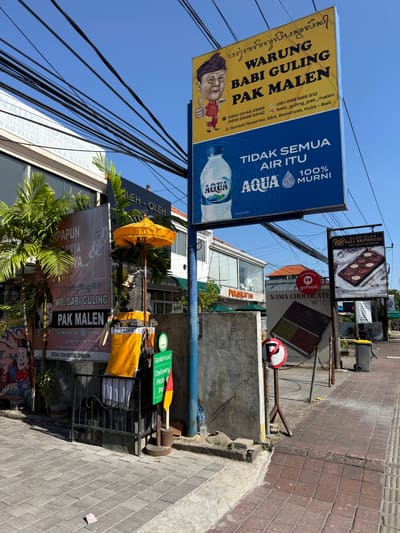
Food is a great rainy-day activity. Bali's culinary scene shines, and you can try local dishes at Warung Babi Guling on Sunset Road, or enjoy ribs at Wahaha Pork Ribs Seminyak. Both are casual and comfortable when it's wet outside.
Indoor-friendly venues for rainy days




How do you plan a rainy-season itinerary?
Plan your days around the mornings. Get up early and do outdoor activities like beach time or hiking before the afternoon showers. Save indoor activities, such as cafes, spas, and shopping, for the afternoons. This way, you maximize dry hours.
Keep your itinerary flexible. Don't pre-book too many outdoor tours; instead, book a day or two ahead based on the forecast. Use apps to track rain radar. And always have a backup plan: a list of indoor venues like Ling Ling's on Jl. Petitenget or The Corner House on Jl. Kayu Aya.
If you're staying in Seminyak, you can easily fill a rainy day with a long lunch at Warung Non Food, followed by a massage, then drinks at a beach club with covered seating. Atlas Beach Club in Tibubeneng has plenty of space and is a good option when the sun returns.
What should you pack for Bali's rainy season?
Pack light, quick-dry clothing. Cotton and linen take forever to dry in humidity, so bring synthetic blends. A lightweight rain jacket or a sturdy umbrella is essential. Waterproof sandals or shoes are better than sneakers that stay wet.
Don't forget a dry bag for your phone and camera, and a small microfiber towel. Sunscreen is still needed on cloudy days. And bring a power bank, as you may spend more time in cafes. A reusable water bottle helps reduce plastic waste.
Getting around and staying dry: transport logistics
Transport is where rainy-season trips quietly fall apart, so plan it before you land. Ride-hailing apps work well in Seminyak, Kuta, and Kerobokan, but pickup points are sometimes fixed at landmarks rather than your exact hotel door, which means a short walk in the rain. Have your hotel's name and address saved offline so you can enter it quickly, and wait under cover rather than at the curb.
For longer hops, such as Seminyak to Uluwatu, build in extra time. A shower can slow traffic on the main roads, and what is normally a straightforward drive can take noticeably longer. If you have a fixed-time booking like a Kecak performance, leave a buffer. Scooter riders should be especially cautious: wet roads, mixed surfaces, and reduced visibility make riding in heavy rain a genuine risk, so wait out the worst of it under cover.
Keep a small dry kit with you rather than in your suitcase: a compact umbrella, a dry bag for your phone, and a light layer for air-conditioned cars and cafes. It is also worth confirming your accommodation has covered parking or a sheltered drop-off area, since arriving soaked sets the tone for the afternoon.
Is it worth it? The bottom line
Yes, Bali with rain is worth it if you adapt. You trade perfect beach weather for fewer crowds, lower prices, and a lush landscape. Rain rarely lasts all day, and the island has plenty of indoor charms. With the right mindset and a flexible plan, you can have a fantastic trip.
If you crave guaranteed sunshine, aim for the dry season. But if you don't mind a few showers and want a more authentic, less crowded experience, the wet season delivers. Just pack smart and keep a list of indoor venues handy.
We visited in February and had a great time. Mornings were sunny, and we planned our beach trips then. Afternoon rains were a perfect excuse for a long lunch and a massage.
What are the best indoor activities for a rainy day in Bali?
When the rain settles in, Bali's indoor scene offers plenty to keep you busy. In Seminyak, you can browse boutiques along Jl. Kayu Aya, or book a spa treatment at a local wellness center. Many cafes double as workspaces, so bring your laptop and camp out with a coffee. For culture, check out art galleries or a cooking class; these are often held in covered kitchens. In Uluwatu, the Garuda Statue viewpoint is outdoors, but nearby cafes like Gooseberry Cafe & Boutique provide shelter with a view. Just confirm opening hours and whether they have covered areas, as some venues may close during heavy downpours.
If you're in Kerobokan, consider a visit to a local market like Pasar Kerobokan, which is partially covered and gives you a taste of daily life. For families, indoor play centers or a movie theater in Kuta can be a good fallback. Always have a couple of options saved offline, as internet can be spotty during storms.
How do you handle money and connectivity in the rain?
Rainy season can disrupt your digital plans, so prepare for spotty Wi-Fi and power outages. Keep some cash in small bills for warungs and drivers, as card machines may be down. A local SIM card with a data package is useful, but coverage can vary; download offline maps and translation apps before you go. Bring a power bank and a universal adapter, and consider a waterproof phone pouch. If you rely on ride-hailing, screenshot your destination and have a backup plan like a hotel-arranged taxi. Many cafes have Wi-Fi, but it's wise to confirm before ordering. Also, keep digital copies of your passport and insurance in a secure cloud folder, and carry a physical copy in a dry bag.
Health, safety and the wet-season realities
A few practical health notes make a rainy trip far smoother. Standing water and puddles mean more mosquitoes, so pack repellent and choose accommodation with good screens or air conditioning rather than relying on open windows. Roads and temple steps get slick, so footwear with real grip matters more than style, and it is worth slowing down on stairs, cliff paths, and pool decks. If you get caught in a downpour and end up soaked, change out of wet clothes when you get back rather than sitting in air conditioning, which is an easy way to catch a chill.
Keep travel insurance that covers trip interruptions and, ideally, outdoor activities if you plan to surf or hike. Most minor ailments are just inconvenience, but having your policy details saved offline means you are not scrambling for them mid-storm. And treat floodwater on roads with respect: it can hide potholes and drains, so if a street looks deep, ask your driver to take another route rather than wading through.
Frequently Asked Questions
Does it rain all day in Bali?
No, typically not. Rain usually comes in short, heavy bursts, often in the afternoon or evening, with sunny mornings. You will generally have dry hours each day to work with.
Are beach clubs open in the rain?
Many are, but outdoor areas may close. Atlas Beach Club has covered spaces, so you can still enjoy it. Check ahead on heavier days.
Can I still surf in the rainy season?
Yes, but check conditions. Rain can bring pollution runoff, so avoid surfing right after heavy rain.
What is the best area to stay in Bali during the wet season?
Seminyak and Kerobokan offer many indoor venues and are central for exploring. Uluwatu suits travelers who want dramatic scenery and don't mind more rain.
Is it safe to ride a scooter in the rain in Bali?
Riding a scooter in heavy rain is risky due to wet roads and reduced visibility. If you must ride, go slowly, wear a helmet, and avoid flooded areas. Many travelers choose to use ride-hailing apps or hire a car with a driver on rainy days.
What should I do if my outdoor tour is cancelled due to rain?
Most tour operators will offer a refund or reschedule. Use the free time to explore indoor attractions like cafes, spas, or museums. Keep a list of backup activities handy, and check with your accommodation for recommendations.
How much time should I add for transport on rainy days?
Build in extra time for any fixed-time booking. A shower can slow traffic on main roads, so leaving a buffer for drives such as Seminyak to Uluwatu is sensible. Have your hotel address saved offline for ride-hailing pickups, which are sometimes set at landmarks rather than the door.
What should I keep in a small day dry kit?
A compact umbrella, a dry bag for your phone and camera, a light layer for air-conditioned cars and cafes, and a small microfiber towel. Keep this with you rather than in your suitcase so a sudden shower does not end your afternoon.
Ready to explore?
Browse activities, events, and things to do on your island.
More Guides

25-29 June Ibiza recommendations
25-29 June Ibiza recommendations: stay near Playa d'en Bossa, book Ushuaïa and Café del Mar, and spend a day at Cala Bassa Beach.

Still Jet Lagged. Still worth it.
Still jet lagged. Still worth it: yes, Bali rewards you even on broken sleep. Start at Waterblow, eat at Warung Babi Guling, and let the island set your clock.
7 days in Ibiza - your recommendation?
7 days in Ibiza: your recommendation is to split the week between Ibiza Town, Sant Antoni and the beaches, with Café del Mar and Ushuaïa as anchors.