
Got Sick in Tenerife? Here's Exactly What to Do (And What Not to Panic About)
Sick in Tenerife? Here's exactly what to do: rest at your hotel, use a pharmacy in Costa Adeje, and know when to seek medical help. Calm, practical steps.
Getting sick in Tenerife is rarely an emergency. In most cases the fix is simple: stop moving, drink water, rest at your accommodation, and visit a pharmacy (farmacia) if symptoms persist past 24 hours. Spain runs a strong pharmacy network, and the island's resort areas in the south, such as Costa Adeje and Playa de las Américas, have services close to the hotels. Panic is the wrong response. A plan is the right one.
The two most common travel illnesses here are stomach trouble and sun exposure. Both respond well to rest and fluids. A third, the hangover, needs no clinic at all. The genuine red flags are few: chest pain, trouble breathing, a fever that will not break, or severe dehydration. Those warrant a doctor, not a sun lounger.
This guide walks you through the practical side of a sick day on the island. Where to get supplies, when to leave your room, and how to salvage the rest of the trip. The good news is that Tenerife is a well-serviced island, and help is closer than you think.
What should you do first when you feel ill in Tenerife?
Stop and assess. The first hour matters more than the first day. If you feel nauseous, dizzy, or overheated, get out of the sun and into shade or air conditioning. Sit down. Sip water slowly rather than gulping it. Most holiday bugs announce themselves in the morning and settle by evening with nothing more than rest.
Check your symptoms against the basics. A headache and fatigue after a long flight or a day at Siam Park usually mean dehydration or sun exposure, not illness. Stomach cramps with vomiting point to something you ate or a bug. A cold is a cold, even in the Canaries. Write down when symptoms started and whether you have a fever. That note will help any pharmacist or doctor you speak to.
Tell someone at your accommodation. Hotel and apartment staff deal with sick guests every week. They can point you to the nearest pharmacy, arrange extra water, or tell you which clinic nearby handles walk-ins. If you are staying in a place like the Iberostar Waves Bouganville Playa in Costa Adeje, the front desk is your fastest route to local advice.
Where do you find a pharmacy in Tenerife?
Pharmacies are everywhere, and they are the first stop for minor illness. Look for the green cross sign, which marks every farmacia in Spain. Staff are trained to advise on common complaints and can sell over-the-counter remedies without a prescription. In resort areas, English is usually spoken, especially in the south.
For basic supplies, convenience stores fill the gap outside pharmacy hours. San Eugenio on Av. de los Pueblos in Costa Adeje is a handy stop for bottled water, rehydration drinks, and simple snacks if you are staying in the southern resort strip. Larger supermarkets and department stores, such as El Corte Inglés Tres de Mayo in Santa Cruz, stock a wider range if you are in the capital.
One practical tip: pharmacies close on Sundays and public holidays, but every area has a rota of duty pharmacies (farmacias de guardia). Your hotel reception or the nearest pharmacy window will list the one open near you. Ask before you need it, especially if you are travelling with children.
When should you see a doctor in Tenerife?
See a doctor if symptoms last more than 48 hours, if you cannot keep fluids down, or if a fever climbs and stays high. Spain's public health system treats visitors, and private clinics in resort areas offer walk-in appointments. Your travel insurance is the key document here, so keep your policy number on your phone.
The emergency number in Spain is 112, and it works across the Canary Islands. Call it for chest pain, breathing difficulty, serious injuries, or any situation that feels urgent. For anything less, ask your accommodation to help you find the nearest clinic. Do not drive yourself if you feel faint.
A word on insurance. The European Health Insurance Card covers some travellers from EU countries, but it is not a substitute for full travel insurance. If you are visiting from outside the EU, check your policy before you need it. A quick call to your insurer's helpline can confirm which clinics they work with and whether you need to pay upfront.
How do you handle stomach trouble on holiday?
Stomach trouble is the most common holiday complaint, and it usually passes within a day or two. The treatment is boring but effective: rest, fluids, and plain food. Rehydration sachets from a pharmacy work better than water alone. Avoid alcohol, coffee, and heavy meals until you feel steady again.
If you are staying in the south, keep meals simple for a day. A quiet breakfast at your accommodation beats a big restaurant lunch. When you feel ready to eat out again, choose something plain. Limonella on C. Managua in Arona is a solid option once your appetite returns, but save it for when you are actually hungry.
Do not blame the last meal automatically. Travel bugs, changed water, and heat all play a part. If two or more people in your group fall ill at the same time, that is worth mentioning to a pharmacist. It may point to something shared, and it helps them advise you faster.
What about sunburn, heat, and dehydration?
Tenerife sits close to the equator compared with northern Europe, and the sun is stronger than it feels. Heat and dehydration cause more ruined holidays than any infection. Drink water before you feel thirsty. Wear a hat at water parks and on the beach. Take breaks in the shade, especially between midday and 3 pm.
If you do burn, cool the skin with lukewarm showers and apply after-sun or a pharmacy cream. Drink extra water. Avoid the sun entirely for a day or two. Blistering burns need medical advice, so do not tough it out. The same applies to heat exhaustion: headache, nausea, and dizziness after hours in the sun mean you need shade, fluids, and rest, not another round of sightseeing.
Families should plan shade into the day. Parks such as Loro Parque in Puerto de la Cruz and Jungle Park near Arona involve a lot of walking outdoors, so bring water and take breaks. A sick child on holiday is stressful, but a rested one recovers fast. Build in downtime and the whole trip gets easier.
Should you cancel your plans for the rest of the trip?
Not necessarily. Most mild illness costs you one day, not the whole holiday. Cancel anything that demands energy and keep the gentle options. Swap a full day at Aqualand Costa Adeje or Siam Park for a short walk or a shady terrace. Water parks and long excursions are the first things to drop when you feel rough.
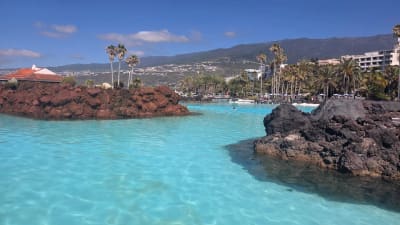
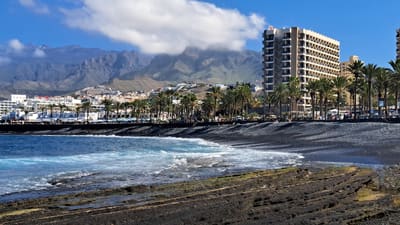
Rest days can still be pleasant. If you are based in Puerto de Cruz, the Complejo Turístico Municipal Costa Martiánez offers a gentle place to sit by the water once you feel up to moving. In the south, a slow afternoon near Playa de las Américas works if you stay out of the midday sun. The point is to lower the intensity, not to lock yourself in your room.
If you are in the capital, Santa Cruz, a short errand can double as gentle exercise. Decathlon La Laguna on Cam. la Hornera stocks anything you forgot, from sun hats to water bottles. Keep the outing short and get back to rest. Recovery comes faster when you do not push.
What should you pack for a sick day in Tenerife?
Pack a small kit before you travel, and you will handle most problems without leaving your room. Rehydration sachets, paracetamol, plasters, and a thermometer cover the basics. Add any prescription medicine you take, in its original packaging, with enough for the whole trip plus a few days spare.
If you forgot something, the island's shops fill the gap. Pharmacies stock remedies, and larger stores carry general supplies. El Corte Inglés Tres de Mayo in Santa Cruz is useful for a wider range if you are nearby, and Decathlon La Laguna covers outdoor gear. Neither is a medical service, so use pharmacies for actual health advice.
Keep your documents together: passport, insurance details, and any prescriptions. Photograph them and store the images on your phone. If you end up at a clinic, that folder saves time and stress. A little preparation now means a calmer day later.
How do you avoid getting sick in the first place?
Most prevention is common sense. Drink bottled or filtered water if your stomach is sensitive, wash your hands often, and eat at places with a good turnover. Apply sunscreen properly and reapply it after swimming. Pace yourself with alcohol, especially in the heat, and get enough sleep. Holiday excitement is not a substitute for rest.
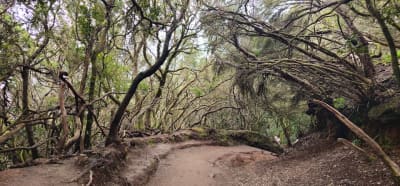
Watch the transition between sun and air conditioning. It is easy to overdo the sun in the morning and then sit in cold air for hours. Keep a light layer handy. If you are hiking in Parque Rural de Anaga, remember that weather changes with altitude, so carry water and a layer even on a warm day.
Finally, listen to your body. If you feel off, take the afternoon off. A short rest on day three often prevents a lost day on day five. Travellers who pace themselves see more of Tenerife, not less.
What not to panic about
Do not panic about a single bad night. Most travel illness is short and self-limiting. Do not rush to a hospital for a mild stomach ache, and do not assume the worst from a headache. Pharmacies, hotel staff, and rest solve the majority of cases.
Do not ignore real warning signs either. The balance is simple: treat small problems calmly and treat big ones quickly. If something feels seriously wrong, call 112. That is what the number is for, and locals use it the same way.
One more thing: do not let a sick day define the trip. Tenerife is a well-serviced island with pharmacies, clinics, and helpful staff close at hand. Rest, recover, and get back out there when you are ready. The island will still be there tomorrow.
How do you get medical help if you don't speak Spanish?
Language is rarely a barrier in resort areas. Pharmacists in Costa Adeje and Playa de las Américas usually speak English, and clinics that see tourists are used to English-speaking patients. If you need to call 112, you can request an English-speaking operator. For non-emergencies, your hotel reception can act as interpreter. Write down key phrases or use a translation app to describe symptoms like fever, vomiting, or pain. Having your insurance details ready also speeds things up.
What are the opening hours for pharmacies and clinics?
Standard pharmacy hours are Monday to Friday 9:00–13:00 and 16:30–20:00, and Saturday mornings. They close on Sundays and public holidays, but duty pharmacies (farmacias de guardia) stay open. These are listed in local newspapers, at your hotel, or on the pharmacy door. Clinics in resort areas often have walk-in hours in the morning and early afternoon; private clinics may offer appointments. For emergencies, call 112. Plan ahead: if you need regular medication, refill before a weekend or holiday.





Frequently Asked Questions
Is tap water in Tenerife safe to drink?
Tap water on the island is generally treated and considered safe, but many visitors prefer bottled water because the taste is different and it can be hard on sensitive stomachs. If you have a delicate stomach, drink bottled water during your stay.
Do I need travel insurance to visit Tenerife?
Travel insurance is strongly recommended, even though Spain's health system treats visitors. A policy covers private clinics, repatriation, and upfront costs, so check your cover before you travel and keep your policy number on your phone.
What is the emergency number in Tenerife?
The emergency number in Spain, including Tenerife and the Canary Islands, is 112. Call it for chest pain, breathing difficulty, serious injury, or any situation that feels urgent.
Can a pharmacy in Tenerife help if I do not speak Spanish?
Yes, pharmacies are the first stop for minor illness, and staff in resort areas such as Costa Adeje and Playa de las Américas usually speak English. Look for the green cross sign and describe your symptoms simply.
What should I do if I need a doctor outside normal hours?
For urgent but non-emergency care outside normal hours, call 112 for advice or go to a 24-hour clinic if one is nearby. Your hotel can direct you to the nearest duty pharmacy or emergency service. For life-threatening situations, always call 112.
Are there English-speaking doctors in Tenerife?
Yes, many doctors and clinics in tourist areas speak English. Private clinics and those near resorts are accustomed to international patients. If you need help, ask your hotel to recommend an English-speaking doctor or call your insurance company for a list of providers.
Ready to explore?
Browse activities, events, and things to do on your island.
More Guides
Renting a car in Tenerife for 3 days, is it worth it?
Renting a car in Tenerife for 3 days is worth it if you want Teide, Masca and quiet beaches on your own clock. Here is the honest maths and how to book.

First Time in Tenerife? Here's Exactly Where You Should Stay (And Where to Avoid)
First time in Tenerife? Stay in Costa Adeje, Los Cristianos or Puerto de la Cruz. See the exact hotels, the trade-offs and the areas to skip.
1-Day Mount Teide Itinerary with 2 Kids (5 & 8) via TF-38 from Abama: Feedback & Recommendations?
Mount Teide day trip with kids 5 and 8 from Abama via TF-38: realistic plan, altitude tips, and nearby Tenerife family stops like Loro Parque.