
Azores vs Canary Islands vs Madeira - which would have the best black beaches?
Azores vs Canary Islands vs Madeira for black beaches: Lanzarote's volcanic sands win for easy access, with Jameos del Agua as a top inland stop.
If you are searching for black sand, the Azores, the Canary Islands, and Madeira all deliver — but they do it differently. The Canary Islands, and Lanzarote in particular, offer the easiest combination of reliable sunshine, direct flights, and accessible volcanic beaches. The Azores are greener, wetter, and wilder. Madeira is dramatic but its black sand is limited to a few pockets. For most travellers who want to swim, sunbathe, and explore without complicated logistics, Lanzarote is the strongest choice.
This guide breaks down what each archipelago actually offers, then focuses on Lanzarote as the practical winner. You will get beach-by-beach context, inland volcanic sites worth your time, and honest advice on when to go. No hype, just what you will find on the ground.
The Short Answer: Lanzarote Wins for Black Beaches
Lanzarote has the best overall package for black-sand beach lovers. The island is small — you can drive from north to south in about 45 minutes — and it has multiple volcanic beaches with dark sand, plus calm swimming areas and reliable weather. The Azores have black sand too, but rain is frequent and inter-island travel eats time. Madeira's black beaches are fewer and often pebbly.
That does not mean the others are bad. If you prioritise lush landscapes and hot springs over beach time, the Azores might suit you better. If you want dramatic cliffs and levada walks, Madeira is superb. But for a beach-focused trip where you actually want to lie on dark sand, Lanzarote is the most straightforward.
What Makes a Black Beach? Volcanic Sand Explained
Black sand comes from volcanic rock. When lava meets the ocean or erodes over time, it breaks down into dark grains. That is why islands with recent volcanic activity — like Lanzarote, which last erupted in the 1730s — have black and grey beaches. The sand can get hot underfoot, so bring sandals for the walk from your towel to the water.
Not all black beaches are equal. Some are coarse and steep, with strong shorebreak. Others are sheltered coves with calm water. Lanzarote has both types, which is part of its appeal. You can choose a family-friendly bay or a wilder stretch depending on your mood.
Lanzarote: The Best Black Beaches in the Canaries
Lanzarote's volcanic landscape is protected as a UNESCO Biosphere Reserve, and the black sand is part of that heritage. The standout beach is Playa de Famara, a long sweep of dark sand on the northwest coast. It is popular with surfers, and swimming is only for confident swimmers because of the waves. For calmer water, head to Playa de la Cantería in the north, near Órzola. It is a steep walk down, but the setting is wild and the sand is jet black.
On the south coast, Playa Quemada and the coves near Puerto del Carmen offer smaller patches of dark sand. They are not as dramatic as the northern beaches, but they are easy to reach and have facilities. If you want a black beach with a town nearby, Playa Blanca has several small dark-sand coves within walking distance of the resort.
One thing to know: Lanzarote's black sand can be rough on bare feet. Bring water shoes if you plan to swim. Also, the sun reflects off dark sand, so you will burn faster than you expect. Use high-factor sunscreen and reapply often.
Where to Stay on Lanzarote for Beach Access


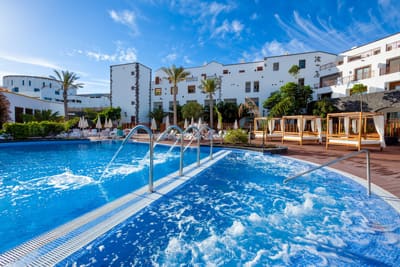
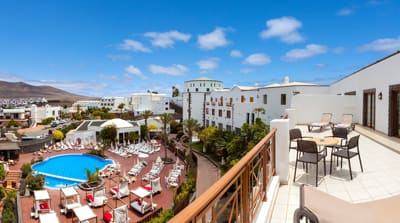
Arrecife Gran Hotel puts you in the capital, a short drive from the airport and central for exploring. If you want a spa after a day on the sand, Arrecife Gran Hotel & Spa is the same property with wellness facilities. In the south, Gran Castillo Tagoro and Gran Tagoro Family & Fun, Playa Blanca cater to families and couples who want resort comfort near the southern beaches.
The Azores: Black Sand with Rain and Ruggedness
The Azores are nine volcanic islands in the middle of the Atlantic, and they have some genuinely spectacular black-sand beaches. The most famous is Praia de Santa Bárbara on São Miguel, a long arc of dark sand with good surf. Faial and Pico also have black beaches, often backed by green cliffs. The sand is fine and truly black, sometimes glittering with minerals.
The catch is the weather. The Azores are known for frequent rain and cloud cover, even in summer. You might get a perfect beach day, or you might get drizzle for three days straight. Also, getting between islands requires flights or ferries, which adds cost and planning. If you are set on a beach holiday with guaranteed sun, the Azores are a gamble.
That said, if you love hiking, hot springs, and dramatic landscapes, the Azores are magical. The black beaches are a bonus rather than the main event. For pure beach time, Lanzarote is more reliable.
Madeira: Dramatic Coast, Limited Black Sand
Madeira is not primarily a beach destination. Its coastline is mostly cliffs and rocks, with a few pebble beaches. The most famous black-sand beach is Praia de Seixal on the north coast, which has dark sand and a waterfall nearby. It is beautiful but small, and the water can be cold. Calheta has a man-made golden-sand beach, which tells you something about the natural supply.
If you visit Madeira for the levada walks, the food, and the lush scenery, you will have a wonderful time. But if black beaches are your priority, you will likely be disappointed. The island's strength is its interior and its dramatic coastal views, not its sand.
Beyond the Beach: Volcanic Attractions on Lanzarote
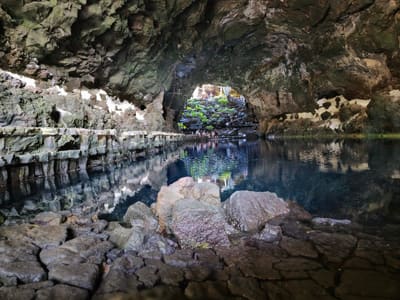
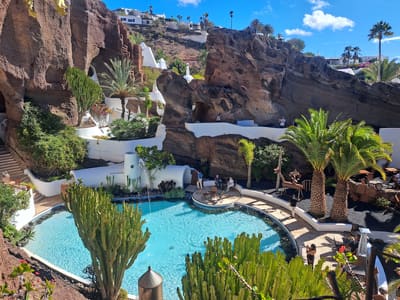
Lanzarote's volcanic heritage goes beyond the sand. Jameos del Agua is a collapsed lava tube in the north, near Órzola, turned into a cultural space with an underground lake and an auditorium. It is one of the island's most visited sites, and it gives you a sense of the volcanic forces that created the black beaches. The address is LZ 204, Parcela 109, Carretera Arrieta - Órzola S/N Lanzarote, LZ-204, 109, 35542 Punta Mujeres, Las Palmas.
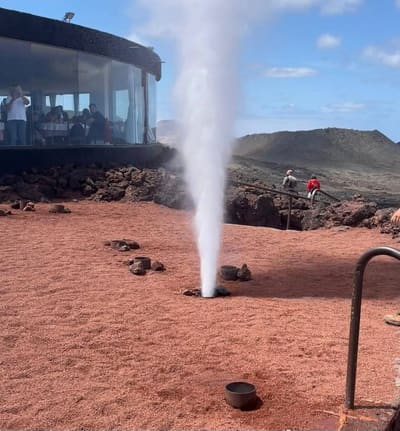
For a different volcanic experience, head to Islet Hilario in Tinajo. This small volcanic islet is connected to the coast and offers a walk around a crater with views of the ocean. It is a family-friendly activity and a good break from the beach. The setting is raw and windy, so bring a jacket.
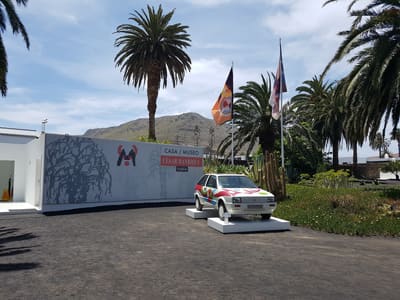
Art lovers should not miss Casa-Museo César Manrique in Haría. The museum is dedicated to Lanzarote's most famous artist, who shaped the island's architectural identity. It sits in the northern interior, surrounded by palm trees. The venue has a 4.4/5 rating from 8,893 reviews, and it is a peaceful contrast to the coastal resorts.
LagOmar in Nazaret is another unusual stop. It is a museum and former home built into a volcanic quarry, with a maze of rooms and terraces. It is a short drive inland from the coastal resorts and makes for a quirky hour or two. The venue has a 4.6/5 rating from 9,545 reviews.
Volcanic and Cultural Sites Worth Your Time
Practical Logistics: Getting Around Lanzarote
Lanzarote has one airport, Arrecife (ACE), with direct flights from many European cities. From the airport, you can rent a car or take a taxi to your hotel. A car is essential if you want to explore the black beaches, as public transport is limited. Rentals are affordable, and the roads are good. Driving from Puerto del Carmen to Famara takes about 40 minutes.
For shopping and supplies, C.C. Puerto Cinco in Puerto del Carmen is a commercial centre with shops and services. It is handy if you need beach gear, snacks, or a break from the sun. The venue has a 4.2/5 rating from 9,573 reviews. The address is Avenida, C. Juan Carlos I, nº 15, 35510 Puerto del Carmen, Las Palmas.
If you want a beach club experience, Chiringuito Escribà is listed as a beach club with a 4.2/5 rating from 9,416 reviews. Note that its address is in Barcelona, not Lanzarote, so it is not a local option. For nightlife, Albatros Club Puerto del Carmen is a well-known bar and club in Playa Blanca, with a 4.5/5 rating from 7,521 reviews. It is a good spot for a drink after a day on the sand.
Accommodation ranges from resorts to boutique hotels. Bahia Playa Blanca Caybeach and Princesa are both in Playa Blanca, offering holiday accommodation with easy access to the southern beaches. They are popular with families and couples.
Practical Stops for Supplies and Evenings




When to Go for Black Beach Weather
The best time to visit Lanzarote for beach weather is from May to October. Summer temperatures range from 24°C to 29°C, and the sea is warm enough for swimming. July and August are the busiest, so book accommodation early. Spring and autumn are quieter and still pleasant, with temperatures around 20°C to 24°C. Winter can be mild but windy, and some beaches may have strong surf.
The Azores are best from June to September, but even then, rain is possible. Madeira is a year-round destination, but its beaches are not the main draw. If you are specifically chasing black sand and sun, Lanzarote's climate is the most dependable.
Getting to the Beaches: Car Hire, Parking, and Local Tips
Renting a car is the most practical way to reach Lanzarote's black beaches. You can pick up a car at Arrecife Airport (ACE) from international chains or local companies. Rates are generally affordable, especially if you book in advance. Drive on the right, and note that speed limits are strictly enforced. Parking at popular beaches like Famara can fill up by mid-morning, so arrive early. For Playa de la Cantería, there is a small car park near the top of the cliff; the walk down is steep and uneven, so wear sturdy shoes. Some remote beaches have no facilities, so bring water and snacks. If you prefer not to drive, taxis are available but can be expensive for long distances. A few beaches, like those in Puerto del Carmen and Playa Blanca, are accessible by local bus, but service is infrequent. For flexibility, a car is best.
Frequently Asked Questions
Final Verdict: Lanzarote for Black Beaches
If your main goal is to lie on black sand and swim in clear water, Lanzarote is the winner among these three destinations. It has multiple black beaches, a sunny climate, and a compact size that makes exploring easy. The Azores are stunning but wetter and harder to navigate. Madeira is beautiful but not a beach destination.
Use Lanzarote as your base, rent a car, and spend your days hopping between volcanic coves and inland attractions like Jameos del Agua and LagOmar. You will get the black beaches you came for, plus a taste of the island's unique volcanic culture.
Frequently Asked Questions
Which island has the best black beaches: Azores, Canary Islands, or Madeira?
The Canary Islands, and Lanzarote specifically, offer the best combination of black beaches, reliable sunshine, and easy access. The Azores have beautiful black sand but unpredictable rain, while Madeira has very few black-sand beaches.
Are the black beaches in Lanzarote good for swimming?
Some are, but it depends on the beach. Playa de la Cantería has calm water but a steep access, while Famara has strong waves and is better for surfing. Always check local conditions and swim where others are swimming.
Do I need a car to visit Lanzarote's black beaches?
Yes, a car is highly recommended. Public transport is limited, and many of the best black beaches are in remote areas. Rental cars are affordable and the island is small, so you can cover a lot in a day.
What should I bring to a black-sand beach?
Bring water shoes because the sand can be hot and rough, high-factor sunscreen because dark sand reflects heat, and a windbreak as some beaches are breezy. A beach umbrella with a sand screw is also useful.
Are there facilities at Lanzarote's black beaches?
Facilities vary. Playa de Famara and Playa Blanca have nearby restaurants, shops, and toilets, while more remote beaches like Playa de la Cantería have no facilities. Plan accordingly and carry essentials.
What is the water temperature like in Lanzarote?
The sea is warmest from July to October, typically ranging from 22°C to 24°C. In winter, it can drop to around 18°C to 20°C, which may feel chilly for some swimmers. A wetsuit can help if you plan to swim in cooler months.
Ready to explore?
Browse activities, events, and things to do on your island.
More Guides
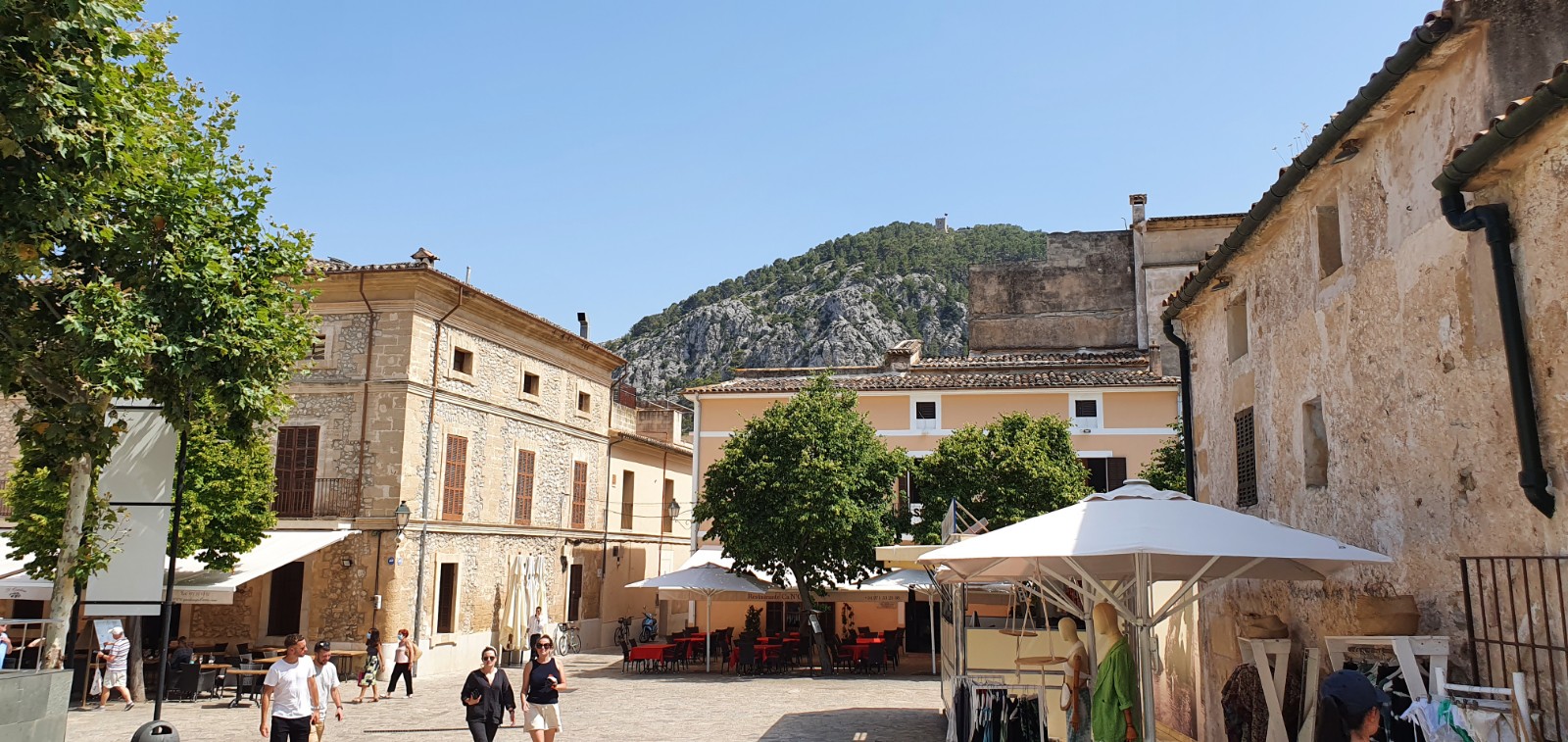
First time renting a car in Mallorca - company recommendations
First time renting a car in Mallorca? Compare top companies like Roig, Autos Ballear, and Lagoon, plus pickup tips and insurance advice for a smooth trip.
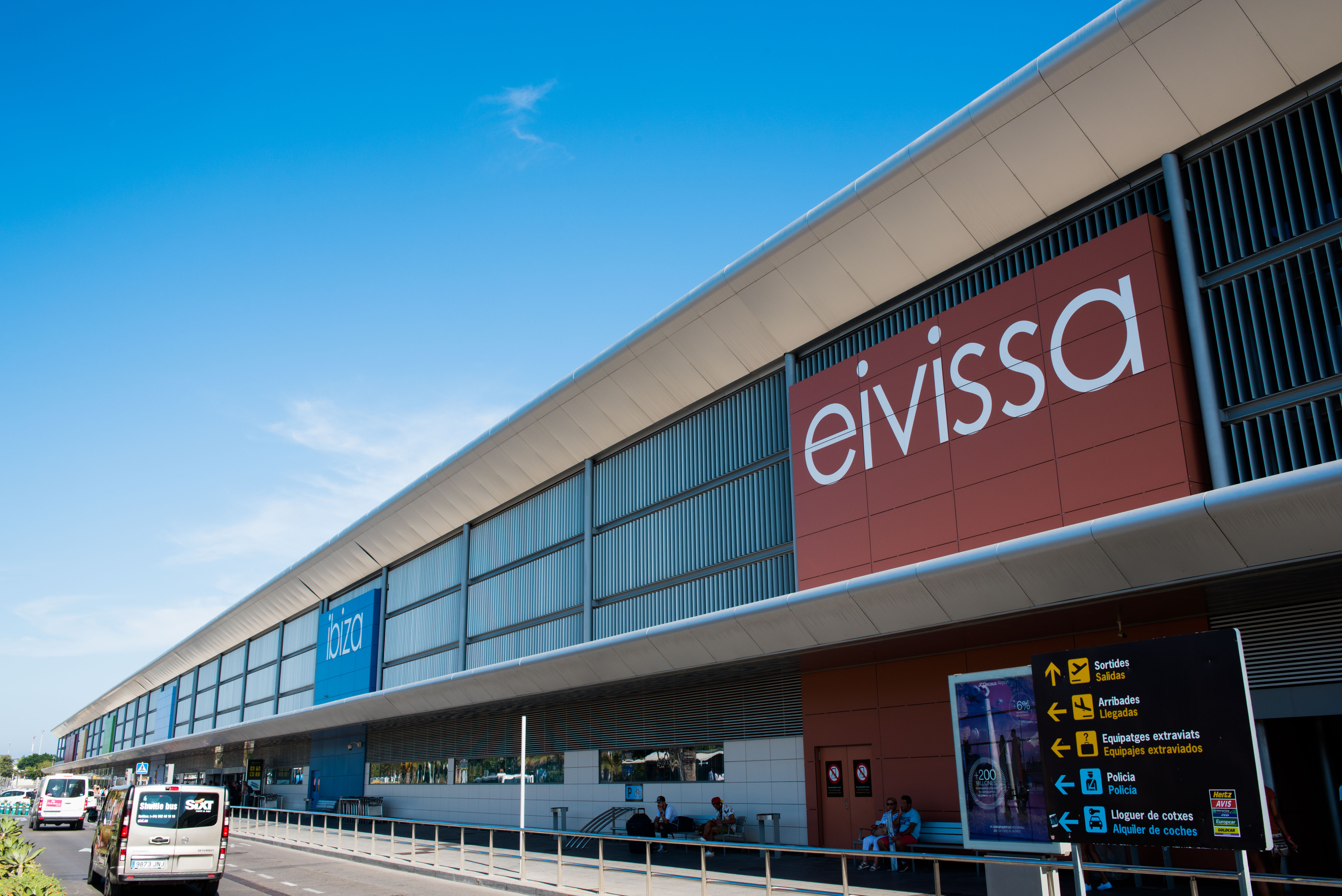
First (and maybe last) time in Ibiza this August (32F + 32M) – looking for recommendations + tips!
First time in Ibiza this August? Plan around Ushuaïa, Café del Mar sunsets, Cala Bassa Beach, and smart airport transfers. Here's how.
First time (solo) visitor to Mallorca, where to base
First time solo in Mallorca? Base in Palma for transport, Sóller for scenery, or Capdepera for calm. Compare areas and plan your trip with confidence.